

Hunting Tag Mistakes That Lead to Fines and Lost Harvests
You spent months preparing. You scouted your area, practiced your shooting, and finally connected on a clean harvest. Then a game warden checks your tag, and something's wrong.
Maybe you forgot to notch the date. Maybe your e-tag didn't actually transmit. You may have filled in the wrong zone code because you were cold and rushed, and the form was confusing.
This happens more often than most hunters realize. And the frustrating part is that most hunting tag mistakes aren't made by careless people. They're made by experienced hunters who know the rules but slip up in the moment.
This article won't lecture you about following the rules. You already know that. What we at Hunt-Tag want to do instead is walk through the specific tagging errors that get hunters into trouble.
Why Hunting Tag Mistakes Happen in the First Place
Before getting into the specific errors, it's worth understanding why tagging goes wrong so often.
The Moment of Harvest Is Chaotic
When you finally take down an animal, your brain isn't thinking about administrative compliance.
You're processing the shot, checking the animal, planning retrieval, and often dealing with fading light or difficult terrain. Tagging feels like an afterthought because emotionally, it is one.
Regulations Differ More Than You Expect
If you hunt in multiple states or even multiple units within a single state, you're managing different tagging systems with different requirements.
Oregon's e-tagging platform works differently than Indiana's. Paper tags in one state might require notching, while those in another use write-in fields.
States have legitimate reasons for their systems, but they create cognitive load for hunters who travel or hunt across diverse seasons.
Technology Adds a New Layer of Uncertainty
The shift to electronic tagging has solved some problems while creating others. E-tags eliminate the risk of a soggy, illegible paper tag. But they introduce new failure modes: dead batteries, no cell signal, apps that crash, and confirmation screens that don't actually confirm.
The Hunting Tag Mistakes Wardens Cite
Let's get specific. These are the tagging errors that show up in citation records and warden reports:
Failing to Tag Immediately
Most state regulations require you to tag your animal "immediately upon kill" or before moving it. The exact language varies, but the intent is consistent: the tag must be attached before the animal leaves the kill site.
Hunters get cited for this when they field dress first and tag second, when they drag an animal to easier terrain before tagging, or when they "planned to tag it back at the truck."
The fix is simple but requires discipline: tag first, before you do anything else. Before photos. Before field dressing. Before calling your buddy to help drag.
If you're using an e-tag system, this means having your phone accessible and charged, submitting your tag before you touch the animal for any other purpose.
Incomplete or Incorrect Information
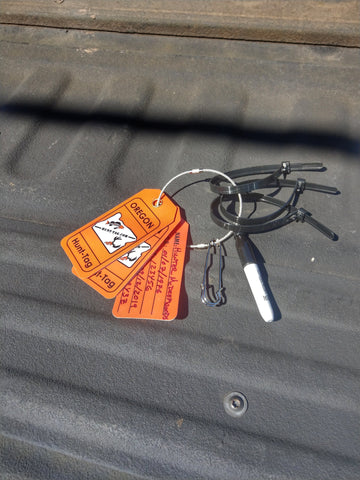
Paper tags often require you to write in the date, time, location, and animal details. Under pressure, cold hands, fading light, and excitement can cause hunters to make errors.
The wrong date is common when you're hunting late at night or early in the morning and aren't sure whether it's technically today or tomorrow.
Wrong unit or zone happens when you're hunting near boundaries and write the wrong code from memory.
Illegible handwriting becomes a problem when a tag gets wet or the ink smears, leaving wardens unable to verify what you wrote.
For e-tag users, the equivalent is selecting incorrect fields from dropdown menus or accidentally submitting before you've verified the details.
The solution is to slow down. Read back what you wrote. If you're using an app, take a screenshot of your confirmation and double-check that the details match your actual harvest.
Improper Tag Attachment
A tag isn't valid if it's in your pocket. It must be physically attached to the animal in the manner specified by your state.
Some states require attachment through a specific location, often through a slit in the ear or around a leg. Others are less specific but still require physical attachment. A tag sitting on top of the meat in your cooler doesn't count.
If you're hunting in a new state, check the attachment requirements before you leave camp. They may differ from what you're used to.
Using the Wrong Tag for the Species or Season
This sounds obvious, but it happens more than you'd think. A hunter with multiple tags in their pocket grabs the wrong one in the moment.
Or someone with an either-sex tag writes in "doe" when they actually harvested a buck, creating a mismatch that looks suspicious during inspection.
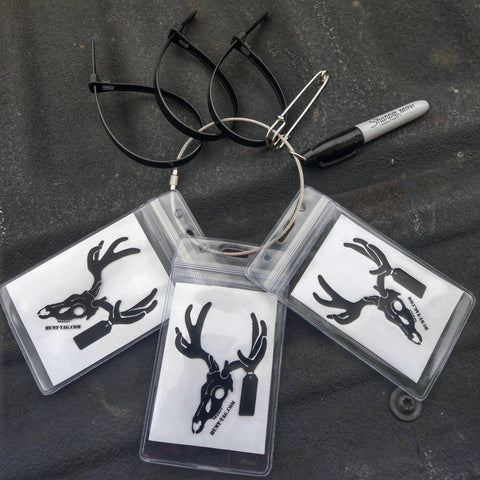
The best practice is physical organization. Keep your tags separated and labeled. If you're carrying paper tags, consider a tag organization kit that keeps everything distinct and accessible.
E-Tag Confirmation Failures
This is the new frontier of tagging mistakes, and it's growing as more states adopt electronic systems.
Hunters submit their e-tag, see what looks like a confirmation screen, and assume they're done. But transmission failures happen. The app might show a pending status that the hunter misses. The server might not receive the data. Poor cell coverage might delay transmission indefinitely.
If you hunt in areas with unreliable cell coverage, you need a backup strategy. Some states allow you to e-tag before you have signal, with the tag transmitting once coverage returns. Others require transmission before you move the animal. Know which system your state uses.
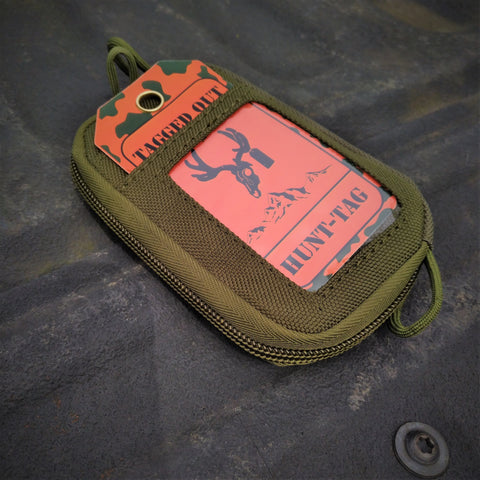
For e-tag reliability, consider keeping your phone in a protective tech pouch that shields it from cold and moisture.
Building Habits That Prevent Tagging Mistakes
Knowing the errors isn't enough. You need systems that automate correct tagging, even when you're tired, cold, and excited.
Create a Tagging Ritual
Don't rely on memory or good intentions. Build tagging into your post-harvest routine so thoroughly that it becomes automatic.
The moment you confirm an animal is down, retrieve your tag materials before approaching it. The tag goes on before anything else. If you’re using e-tagging, complete and verify submission before you set down your phone.
Prepare Your Materials Before You Hunt
Check your tags before leaving camp. Verify you have the correct tags for your hunting unit and species. Make sure your pen works if you're using paper tags. Charge your phone and verify your e-tagging app is logged in and functional if you're using electronic systems.
Frequently Asked Questions About Hunting Tag Mistakes
What should I do if I realize I made a tagging error after leaving the field?
Contact your state wildlife agency immediately. Self-reporting an honest mistake usually results in better outcomes than having the error discovered during a check station or inspection.
Many states have provisions for correcting legitimate errors when hunters report them promptly and voluntarily.
Can I use my phone's screenshot of an e-tag confirmation if the app crashes?
This varies by state. Some accept screenshot evidence of a valid e-tag submission. Others require the live app confirmation. Know your state's policy before you rely on screenshots as backup.
The safer practice is ensuring your original submission is transmitted successfully and remains accessible in the app's history.
My paper tag got wet and is now illegible. What are my options?
A damaged tag creates real legal exposure. If the tag is completely illegible, you may be cited even though you attempted to comply. The best prevention is to protect paper tags with waterproof pouches, a Hunt-Tag wallet, or lamination.
Stop Hunting Tag Mistakes Before They Happen with Hunt-Tag
If you want to take your tagging setup a step further, whether you use paper tags, e-tags, or a mix of both, browse the tag kits and accessories at Hunt-Tag.
The right system can help you avoid common hunting tag mistakes and keep your documentation clear, protected, and ready in the field.
If you have questions about tagging requirements in your specific state, reach out to us directly. We’re always happy to help hunters avoid hunting tag mistakes before they happen.
Explore our tag kits and build a setup you can trust.