

The Role of Hunt Tags in Ethical & Responsible Hunting
When you fill out that tag, whether it’s a physical paper tag or an electronic entry through your state e-tagging system, you’re taking part in something bigger than proving a legal harvest.
That is the idea Hunt-Tag is built around, helping hunters document their harvest clearly and responsibly.
The uncomfortable truth is this: ethical hunting tags exist because wildlife agencies need to track harvest numbers, but they also exist because hunters need accountability mechanisms that prove we're not the reckless poachers our critics assume we are.
This guide explores what ethical hunting tags represent, why conservation depends on honest reporting, and what happens when hunters cut corners.
What "Ethical" Means When It Comes to Hunting Tags
When we talk about ethical hunting tags, we're referring to a commitment to accurate, honest documentation of every harvest.
This includes several elements that seem obvious but deserve explicit attention.
Tagging Before Transport
Most states require you to tag an animal immediately upon harvest, before moving it from the kill site.
This prevents a specific type of violation where hunters transport an animal, realize it doesn't meet legal requirements (wrong sex, undersized antlers, closed area), and then abandon it or falsify records.
Honest Harvest Reporting
If hunters under-report or over-report, the data becomes unreliable, and management decisions suffer.
Here's a scenario that illustrates the problem:
Let's say a state's deer population in a particular management unit is declining, but hunters consistently under-report their kills because they forget, find the process inconvenient, or worry about drawing attention to a productive area.
The state's biologists see lower harvest numbers than they actually are. They may increase tag allocations the following year, thinking the population can sustain additional pressure.
The result? A population that's pushed further into decline.
Tag Transfer and Lending Prevention
Allowing someone else to use your tag or using someone else's unfilled tag undermines the entire quota system.
If you drew a limited-entry elk tag and let your buddy use it because you couldn't make the hunt, you've effectively doubled the harvest pressure on that unit without the agency's knowledge.
Report Even if You Were Unsuccessful
Many states now require hunters to report whether or not they harvested an animal.
This "no harvest" data is just as valuable as harvest data because it helps agencies understand hunting pressure independent of success rates.
What E-Tagging Changes (And What It Doesn't)
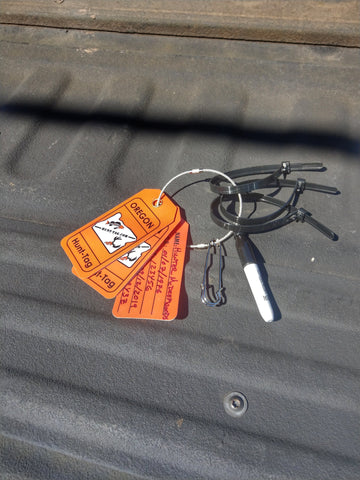
If you're hunting in Oregon, for example, the Oregon Hunt-Tag System E-Tag Kit helps you stay compliant with that state's specific requirements.
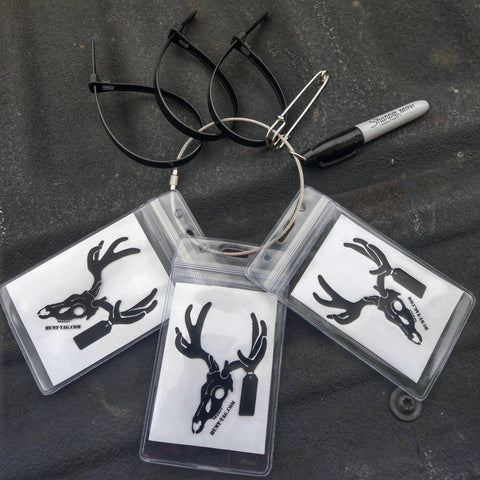
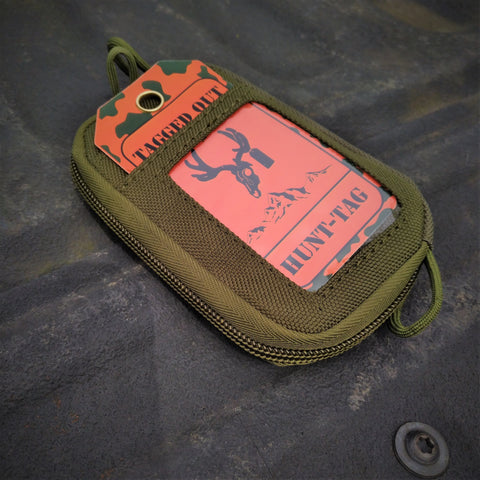
For states that strictly use physical tags, a reliable paper tag kit ensures your tag survives field conditions.
But here's what e-tagging doesn't change: the ethical obligations remain identical.
Whether you're entering data into an app or writing on a paper tag with a frozen pen, the expectation is immediate, accurate documentation. The format is different. The underlying responsibility is the same.
Some hunters worry that e-tagging makes it easier to falsify records. A hunter could tag an animal from a different location than where it was harvested.
This is a valid concern, and it's why some states now require photo verification or GPS coordinates as part of the reporting process.
The technology may evolve, but the ethical foundation stays constant: you're creating a record that agencies will use to make management decisions. If that record is false, the decisions will be flawed.
Frequently Asked Questions About Ethical Hunting Tags
Why do wildlife agencies need my harvest data if they already conduct population surveys?
Population surveys estimate total animal numbers, but they don't tell agencies how many animals hunters are removing from the population.
Harvest data fills that gap. Without accurate tagging and reporting, biologists would be guessing at the most important variable in their management equations.
What happens if I tag an animal but forget to submit my harvest report?
Consequences vary by state, but most have penalties for failing to report. Beyond legal risk, your unreported harvest creates a data gap.
If enough hunters skip reporting, the agency's harvest totals will be artificially low, potentially leading to higher tag allocations next year than the population can sustain.
Does my individual tagging behavior really affect wildlife populations, or is this just a small piece of a bigger picture?
It's a small piece, but the bigger picture is made entirely of small pieces. If a thousand hunters each think their individual behavior doesn't matter, the cumulative effect is a thousand compromised data points.
Wildlife management is statistics applied to biology: the quality of individual inputs directly determines the quality of management outputs.
Choose Ethical Hunting Tags That Protect the Future of the Hunt
Ethical hunting tags are a signal of respect for wildlife, for fellow hunters, and for the systems that protect future seasons.
Every accurate entry and every properly attached tag strengthens the data wildlife agencies rely on and reinforces the trust hunters must earn year after year.
Hunt-Tag exists to make that responsibility easier to fulfill in real-world conditions. Whether your state uses paper tags, e-tagging, or a mix of both, the right tools help you document your harvest quickly, clearly, and honestly.
When your tagging system is organized and reliable, ethical choices become automatic instead of stressful.
If you take ethical and responsible hunting seriously, build a setup that supports it.
Explore Hunt-Tag kits, storage options, and accessories designed to help you tag correctly, report honestly, and protect the traditions that matter most.