

Step-by-Step: What to Do Immediately After Harvest
The animal is down. Your pulse is racing, your hands may be shaking a little, and you know tagging comes next. This is exactly the moment Hunt-Tag is built for, when hunters need a clear, practical system that works in real field conditions.
This is also where most mistakes happen. Not because hunters don’t care about the rules, but because tagging regulations are written for calm offices while the field brings fading light, frozen fingers, and a heavy animal on the ground.
A lot can feel unclear in the moment. When does the clock start? Where does the tag go? What if you’re miles from the truck? These are the details that decide whether the process stays smooth or turns into a costly mistake.
This guide walks through what to do after harvest tagging, step by step, in the order it needs to happen.
The First Minutes After the Shot
Before you reach for your pack, confirm your harvest. Approach the animal carefully to ensure it has expired. Safety is the only thing that comes before legal paperwork.
Once the animal is safe, your tagging obligation begins. The wording may vary by state, but the expectation is the same: tagging must happen immediately.
In the eyes of a game warden, this means tagging happens before field dressing, before taking "hero shots," and before calling a friend for help.
The Association of Fish & Wildlife Agencies provides links to every state agency, and nearly all of them define "immediate" as the very first step of recovery.
Tag before you start working on the animal. If you need a moment to catch your breath or secure your rifle, take it. Then, pull out your tag.
What to Do After Harvest Tagging with E-Tag Systems
Many states, like Maryland, Oregon, and Arizona, have moved to electronic tagging (e-tagging). This allows you to validate your harvest through a smartphone app. However, a digital system doesn't change the timeline.
If you’re in an e-tag state, keep these three things in mind:
-
Digital is still immediate: You must hit "submit" or "validate" in the app before you pull out your knife.
-
Offline Capability: Most apps work without a signal, but you should test this before your trip. Know how your state app handles pending uploads.
-
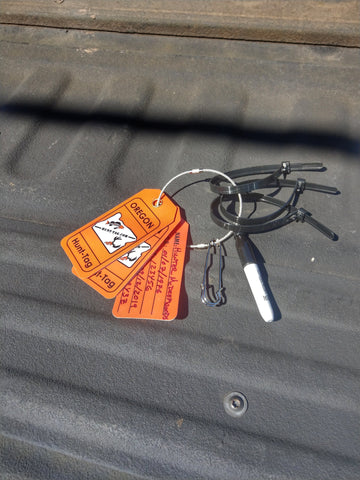
The Paper Backup: A dead battery or a cracked screen can ruin a digital tag. Many hunters use the Hunt-Tag Paper-Tag Kit to keep a physical record of their confirmation number. It’s smart insurance for the backcountry.
Where Does the Tag Actually Go?
For most big game, the tag must be attached to the carcass. Common spots include a slit in the ear, around a leg at the hock, or on the horns.
Some states are very specific about placement, while others just want it to stay with the largest portion of meat. Failing to attach a tag properly is one of the most common citations issued.
To make this easier:
-
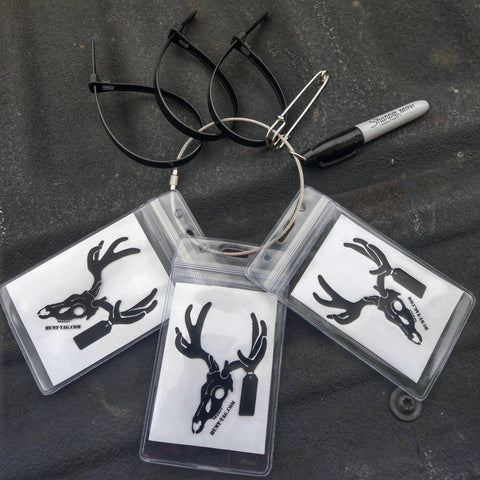
Carry Attachment Tools: Zip ties or wire are much better than trying to tie a knot with a piece of string.
-
Avoid Friction Points: If you’re dragging the animal, don't put the tag on a leg that will rub against the ground.
-
Keep it Visible: A warden should be able to see the tag without having to dig through your entire truck bed.
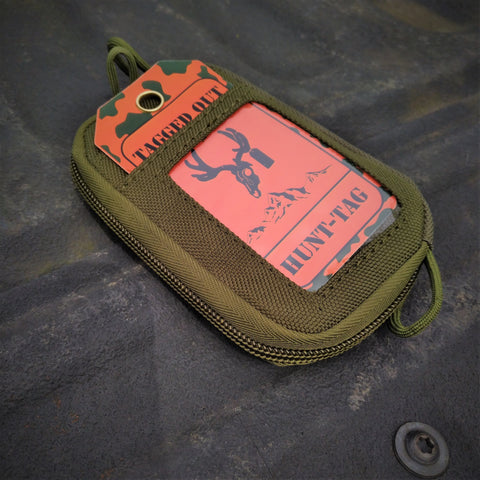
Using a Hunt-Tag Wallet keeps your tags with zip ties in one place, so you don’t have to fumble through your pack.
The Truck Shortcut That Leads to Trouble
A common phrase heard in the woods is "I'll just tag it when I get to the truck."
It’s a tempting thought when it’s getting dark, and you’re a mile from the road.
However, this is often illegal. Most states require the tag to be attached before the animal is moved.
If you’re caught dragging an untagged deer, you’re technically in violation of the law.
Tag in the field. It protects you if you get stopped or if you have to leave the animal overnight because of bad weather.
Documentation: Your Field Protection
Tagging is the law, but photos are your best evidence. After you finish the process, take three quick pictures:
-
The Attached Tag: Show that it is filled out and secured.
-
The Confirmation Number: If you e-tagged, screenshot the success page.
-
The Harvest Site: A wide shot can help if there is ever a dispute about where the animal was taken.
These photos record time and location data that can prove you followed the rules if your physical tag gets lost or damaged during the pack-out.
Frequently Asked Questions
Does "immediately" mean I can't take photos first?
Technically, yes. Most regulations require tagging as the first action after confirming the kill. To be safe, attach the tag, and then take your photos. This ensures that if a warden walks up while you’re posing for a picture, the animal is already legal.
What if my phone dies before I can e-tag?
This is a major risk with digital systems. You should carry a portable power bank or a paper backup system. Some states allow you to write your info on paper if the app fails, but you must sync the digital version as soon as you have power.
What happens if the tag falls off during a long pack-out?
This is why attachment matters. If a tag is lost, use your photo evidence to show it was once attached. Contact the local fish and game office as soon as you have a signal to report the lost tag.
Can I use a permanent marker on my tag?
Yes, and you should. Markers are much more reliable than ballpoint pens in the cold. Just ensure the ink doesn't bleed through and make the other side unreadable.
Stay Compliant in the Moment with Hunt-Tag Systems
The moment after a harvest isn’t the time to second-guess your process. When tagging is clear, fast, and organized, everything else falls into place. When it’s not, even a successful hunt can turn into a stressful situation.
Hunt-Tag is built to remove that uncertainty. With organized tag kits, wallets, and field-ready systems, you know exactly where your tag is, how to fill it out, and how to attach it without hesitation. That kind of setup turns a high-pressure moment into a routine step.
Tagging should feel automatic. Reach, fill, attach, done. No digging through your pack, no guessing, no delays.
If you want that level of confidence built into your hunt, shop now and explore Hunt-Tag kits designed to help you stay compliant, organized, and ready the moment it matters most.