

Paper vs Digital Hunt Tags: What Actually Matters in the Field
The shot is clean. The work is done. Then the questions start. Phone in one hand, tag in the other, and spotty service to match the moment.
This is where the paper vs digital hunt tags debate stops being theory and starts feeling very real. A simple tagging step can suddenly feel heavy when rules are unclear, and mistakes carry real consequences.
This guide breaks down paper vs. digital hunt tags in plain terms, including the pros, drawbacks, and when each option makes the most sense in the field.
The Real Function of a Hunt Tag (And Why the Method Matters Less Than You Think)
Before diving into paper versus digital, it's worth understanding what these systems are actually trying to accomplish.
Hunt tags serve two primary functions. First, they prove you legally harvested an animal under a valid license. Second, they help wildlife agencies track harvest data for population management.
That data informs future tag allocations, season dates, and conservation decisions that ultimately affect whether you can hunt a particular species next year.
Paper Hunt Tags: The Strengths Nobody Wants to Admit Anymore
Paper tags feel almost old-fashioned now, leading some hunters to dismiss them prematurely. That's a mistake. Physical tags have real advantages that don't show up in marketing materials for state app systems.
Paper Tags Don't Need a Signal
The most obvious benefit is also the most important: paper works everywhere. Your paper tag doesn't care about cell coverage, satellite connectivity, or whether the state server is having a bad day.
Tactile Confirmation Creates Certainty
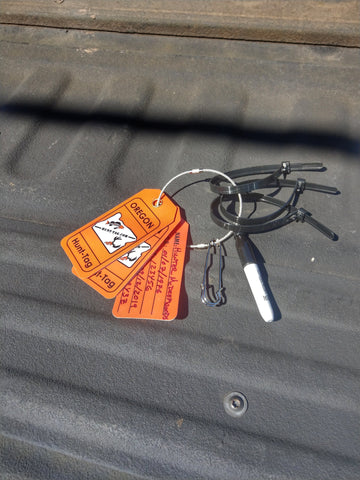
When you physically notch a tag and wire it to an antler or attach it to a leg, you have tangible confirmation that you've completed your legal obligation. The tag is either on the animal or it isn't.
No Battery, No Problem
Paper doesn't run out of charge. In cold weather, lithium-ion batteries drain faster than normal. On multi-day backcountry hunts, you're already rationing power for GPS, satellite communicators, and maybe a camera.
Paper Tags: The Legitimate Downsides
None of this means paper is perfect. Physical tags introduce their own failure points that digital systems genuinely solve.
Paper Gets Destroyed
Even with reasonable care, paper tags are exposed to blood, rain, snow, and the general abuse of being stuffed into a pack pocket on a rough hike out.
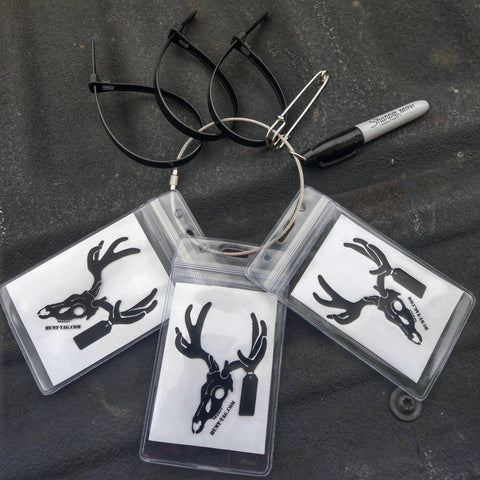
Laminating or using protective sleeves helps, but adds another step most hunters skip.
Transcription Errors and Incomplete Information
Paper systems require you to record date, time, location, and sometimes harvest specifics by hand. Under pressure, in poor light, with cold fingers, mistakes happen. These errors can complicate inspections.
Harder for Agencies to Collect Data
From a wildlife management perspective, paper tags mean manual data entry somewhere down the line. That delays population modeling and makes harvest data less accurate.
This matters less to you in the moment, but it matters for the long-term health of hunting opportunities.
Digital Hunt Tags and E-Tagging: What They Get Right
Electronic tagging systems have addressed several genuine pain points that paper tags created.
Immediate, Timestamped Confirmation
When you submit an e-tag, the system generates a confirmation number with a timestamp. It creates a clear record of when and where you reported your harvest.
You can't accidentally wash it. You can't misplace it. It exists independently of whatever happens to your phone afterwards.
Faster Reporting Means Better Data
Harvest data flows into wildlife agency systems immediately (when connectivity exists) or queues for submission when you regain signal.
This faster reporting cycle helps biologists track harvest trends in near-real time, which can inform in-season management decisions for some species.
One Less Thing to Carry and Manage
No physical tag means nothing to lose, damage, or forget. Your license and tags live on your phone, which you're carrying anyway.
Digital Tags: The Failure Points Worth Planning Around
E-tagging systems have improved significantly since early implementations, but they still have vulnerabilities that paper avoids entirely.
Connectivity Remains the Central Problem
Most e-tagging systems require some form of data transmission, whether that’s a cellular signal or Wi-Fi.
Some apps claim offline functionality, but in practice, many hunters have discovered that "offline mode" doesn't always work as expected, or that tags submitted offline never actually sync when service returns.
If you're hunting areas with reliable cell coverage, this may never affect you. If you're hunting the places that are remote, rugged and far from roads, understand that connectivity isn’t a given. It's often nonexistent.
Tech Failures at the Worst Moments
Phones die. Apps crash. Software updates introduce bugs. State servers go down during peak harvest weekends.
Most of the time, these systems work fine. But "most of the time" isn't the same as "always," and the times they fail tend to be high-stakes moments: cold, low battery, rushed, animals on the ground that need to be tagged now.
Learning Curve and Interface Issues
State wildlife apps vary enormously in quality. Some are intuitive. Others are difficult to navigate, especially for hunters who didn't grow up with smartphones.
Entering harvest data into small text fields with cold hands or in low-light conditions isn't always straightforward. User error becomes more likely when the interface design doesn't account for field conditions.
The Hybrid Approach Most Experienced Hunters Use
Here is what we at Hunt-Tag have noticed from hunters who have spent enough time with both systems to form clear opinions: most of them play it safe and keep a backup plan.
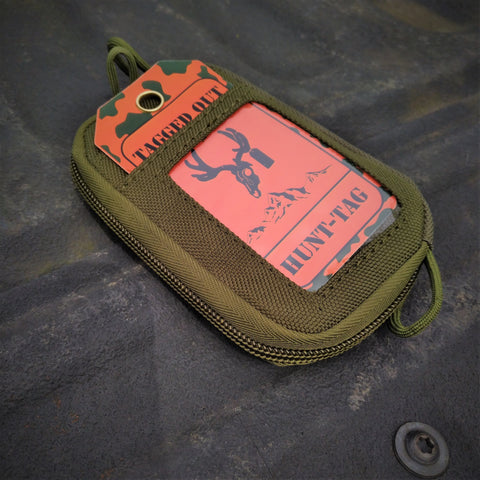
They carry a paper tag system even when e-tagging is available, a backup power source for their phone, or they photograph confirmation screens immediately, or they use hunt kits designed specifically to handle both scenarios.
That’s why we've developed tag kits specifically because hunters asked for organized systems that support whatever tagging method their state requires, whether that's paper tag solutions or e-tag support systems.
If you want to build that backup plan into your setup, shop now and find the Hunt-Tag kit that fits your hunt.
FAQs
What happens if my phone dies before I can submit an e-tag?
Most states with mandatory e-tagging have provisions for delayed reporting when circumstances prevent immediate tagging.
Typically, you're required to report within a specific timeframe, sometimes 24 hours, sometimes upon reaching a reporting station or cell service.
Calling your state wildlife agency directly is the most reliable way to get current information.
Can I use both paper and digital tags on the same hunt?
Some states that have transitioned to e-tagging no longer issue physical tags for certain species. Others still require physical tag attachment in addition to electronic reporting.
Check your state's current requirements before assuming you can use your preferred method.
Are digital tags more likely to result in citations than paper tags?
There's no evidence that one system leads to more enforcement actions than the other.
What leads to citations is non-compliance: failure to tag at all, late tagging, inaccurate information, or using the wrong tag for the animal harvested.