

How Long Should You Keep Old Hunt Tags? A Practical Guide
After a successful hunt, you’re usually exhausted. There’s meat to process, gear to clean, and often a long drive home.
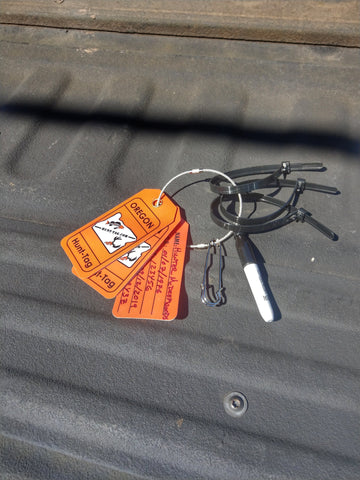
Because of that, it’s easy to forget to keep old hunt tags. Instead, the tag, now filled out and detached, ends up on the dashboard or pushed into a glovebox without much thought.
Then, a few weeks later, it shows up crumpled and faded. This is exactly the kind of situation Hunt-Tag is designed to prevent, by helping hunters store and organize their tags properly from the start.
However, unlike a receipt, an old hunt tag can still matter years after the harvest. While the effort to keep old hunt tags is minimal, losing them can lead to problems you didn’t expect.
Why Keeping Your Harvest Records Is a Smart Move
Most hunters know a tag is a legal requirement in the field. You fill it out, attach it, and you've met your immediate obligation.
However, the usefulness of that document doesn’t expire when the meat hits the freezer.
Proof of Compliance
Wildlife officers don't always check tags right away after a harvest. Investigations can occur months later if questions arise about harvest dates, locations, or bag limits. According to Virginia Law, documentation is often the only way to resolve clerical errors or disputes.
If you can’t produce your documentation, you’re relying on memory. Having the original tag makes any conversation with an agency much shorter and easier.
Draw and Application History
This is where record-keeping becomes a strategy. If you apply for limited-entry hunts, your draw history affects your future. Points can occasionally get lost during state database migrations or administrative shifts.
Having your own tags, receipts, and application confirmations lets you catch errors before they cost you a once-in-a-decade tag.
How Long to Keep Old Hunt Tags by Category
While every state has different regulations, you can follow these broad best practices to stay safe:
Minimum Retention: One to Two Years
At a minimum, keep your tags through the end of the following calendar year. This timeframe covers delayed compliance checks and corrections to harvest reporting.
If you harvested a deer in 2025, hold that tag until at least the end of 2026.
Medium Retention: Three to Five Years
If you hunt multiple states or build preference points, a five-year window is much safer. This accounts for discrepancies in the point system that might not surface immediately.
Some Western states have long application cycles for premium species such as bighorn sheep and moose. Keeping records helps you verify agency data over the long haul.
Long-Term Retention: Indefinitely
Certain records are worth keeping forever. This includes tags from once-in-a-lifetime species or documentation of any harvest that occurred under unusual circumstances.
It isn't about clutter; it's about treating your hunting history with the same care as any other important personal document.
Managing E-Tags and Digital Records
The shift to electronic tagging is convenient, but it isn't foolproof. You’re essentially trusting a state database to be accurate and accessible forever.
Don't rely solely on an app. State systems get updated, and confirmation numbers can become hard to find. When you complete an e-tag report, take a screenshot or save the confirmation email immediately.
Many states still require a physical backup tag in the field for areas without cell service. Once filled out, these are legitimate records.
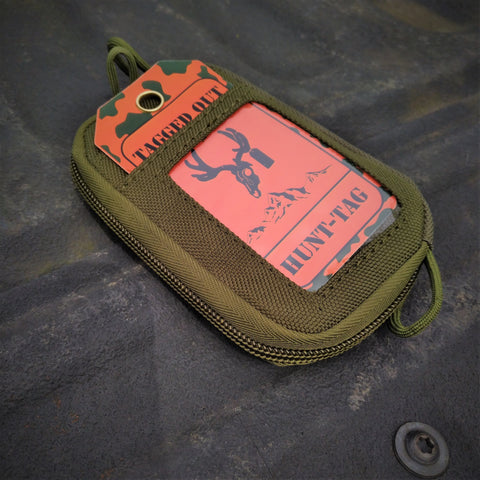
Using a Hunt-Tag Wallet helps keep these backup tags organized so they don't get lost in your pack.
Best Practices for Storing Your Records
Keeping records only helps if you can actually find them. Use these simple steps to stay organized:
-
Physical Storage: Dedicate one folder or box for all hunting paperwork. Consistency is the secret to a stress-free system.
-
Digital Backups: Snap a photo of your filled-out tags before filing them away. This gives you a searchable backup on your phone.
-
Organize by Season: Label your files by year and state (e.g., 2026 / Colorado / Elk). This makes it easy to pull up exactly what you need for future applications.
For tags currently in the field, protection is vital. A tag soaked in rain or blood may be unreadable when you need it later. Using a Tech Pouch ensures your records stay legible from the field to the filing cabinet.
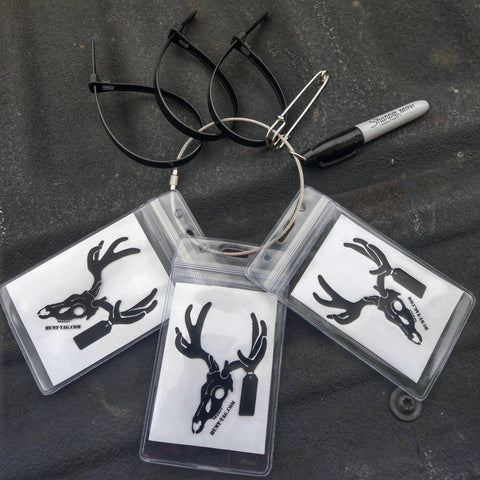
In addition, the Hunt-Tag System Paper Tag Kit includes waterproof tag bags that add an extra layer of protection, helping shield your tags from moisture, dirt, and wear during the most demanding parts of the hunt.
FAQs: Supporting Your Record Keeping
What should I do if my physical tag is badly damaged?
Store what remains of the tag and pair it with a digital photo of the harvest and your confirmation number. Even a damaged physical record is better than nothing when verifying a harvest with an official.
Is it necessary to keep tags for unsuccessful hunts?
While not legally required for compliance, keeping unfilled tags or application receipts helps track your draw history. It proves you participated in a specific year, which can be vital for maintaining loyalty points in certain states.
Do federal migratory bird stamps need to be kept as long as state tags?
Federal law requires you to sign your duck stamp, but once the season ends, the legal requirement to carry it expires. However, many hunters keep them as a personal record of their seasons or for potential multi-year audits.
How do I handle records if I hunt in three or more states?
The best method is to use an accordion file with tabs for each state. This mirrors how wildlife agencies track data and ensures you don't accidentally show a Michigan warden your New Mexico records.
Can I toss my tag once the meat is processed and consumed?
You should still wait at least one full year. Some states have possession of wildlife laws that require you to prove the legality of the meat for as long as it’s in your freezer.
Keep Old Hunt Tags Organized and Protected with Hunt-Tag
Keeping old hunt tags isn’t about holding onto paper for no reason. It’s about protecting your proof, your history, and your future opportunities as a hunter.
When records are easy to find and still readable, questions become simple to answer, and problems are easier to avoid.
Hunt-Tag helps turn what’s usually an afterthought into a reliable system. From keeping tags protected in the field to properly storing them at the end of the season, the right setup keeps your records organized from day one.
If you want a simple way to keep old hunt tags organized, protected, and ready whenever you need them, explore Hunt-Tag storage solutions built for real hunters and real conditions.