

How First-Time Hunters Can Avoid Tagging Confusion
You passed hunter education. You bought a license. You’ve likely spent hours scouting land or zeroing your rifle. But as opening day approaches, many new hunters hit a wall of confusion that nobody warned them about: tags.
What exactly is a tag? When do you fill it out? What happens if you make a mistake? Every state has different rules, and the stakes feel high.
If you’ve asked these questions, you’re not the only one. Tagging trips up more beginners than marksmanship ever will. The regulations are dense, and the moment you need to tag an animal is the worst time to learn on the fly.
This first-time hunting tag guide by Hunt-Tag clears the fog. We’ll walk through what tags are, how they work, and how to handle them correctly when you’re standing over your first harvest.
What is a Hunting Tag?
A hunting tag is a document that authorizes you to harvest a specific animal. Think of it as a permit for a single unit of game.
While your hunting license gives you the general right to hunt, the tag gives you the legal right to take an individual deer, elk, or turkey.
Tags serve two main purposes:
-
Data Collection: They help wildlife agencies track harvest numbers. This data shapes future seasons and bag limits.
-
Accountability: When a game warden checks your harvest, the tag proves you are following the law.
Some tags come bundled with your license. Others require a separate application or a draw system. Increasingly, these documents are moving to electronic formats stored on your phone.
Understanding the difference between your license and your tag early saves you from a legal headache later.
The Two Tagging Systems You’ll Encounter
Depending on your location, you’ll use either paper tags or electronic tags (e-tags). Some states even use a hybrid of both.
Paper Tags
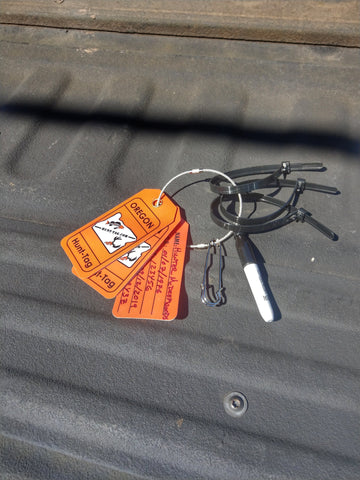
These are the traditional methods. You carry a physical document in the field. After a successful harvest, you fill out the required information, such as the date and location, and attach it to the animal.
Paper tags require physical care. If your tag gets soaked or lost, you have a problem. You also need a reliable pen that works in the rain or in cold weather. Most states require you to "notch" or cut the paper to show the date of the kill.
Electronic Tags (E-Tags)
E-tags are the digital version. You use a state wildlife app to validate your harvest. After the kill, you log into the system, enter the details, and receive a confirmation number.
This solves the soggy paper problem, but it introduces new challenges. You need battery life and a way to handle dead zones where there’s no cell service. Checking your state’s current system is a mandatory part of your pre-season prep.
The Ohio Department of Natural Resources and the Texas Parks and Wildlife Department provide excellent examples of how these requirements can vary by region.
When Exactly Do You Tag the Animal?
This question causes the most anxiety for new hunters. The general rule is to tag the animal immediately after the kill, before you move it.
Immediately means before you start field dressing, dragging, or taking photos for social media. The tag creates a legal chain of custody.
If you’re using e-tags in a remote area without service, most states allow a grace period until you reach a trailhead or a signal. However, with paper tags, there’s no excuse for waiting.
Treat tagging as your very first task after confirming the animal is down. This habit protects you from distractions that lead to citations.
Common Mistakes to Avoid
Criminals don’t commit most tagging violations. They’re committed by well-meaning hunters who got flustered or didn't read the fine print.
-
Assuming All States Are Identical: If you learned to hunt in one state and travel to another, the rules change. Always read the current regulations for the specific state.
-
Waiting Until the Truck: Never wait until you get back to the vehicle to tag. If a warden stops you on the trail with an untagged animal, "I was going to do it at the truck" isn’t a valid defense.
-
Failing to Prep Materials: Fumbling for a pen that won't write or realizing your phone is at 2% battery happens all the time.
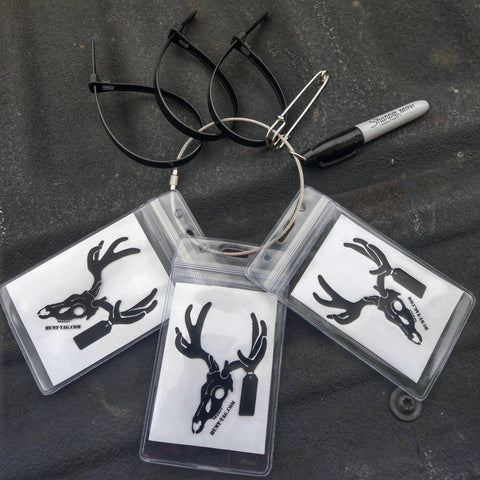
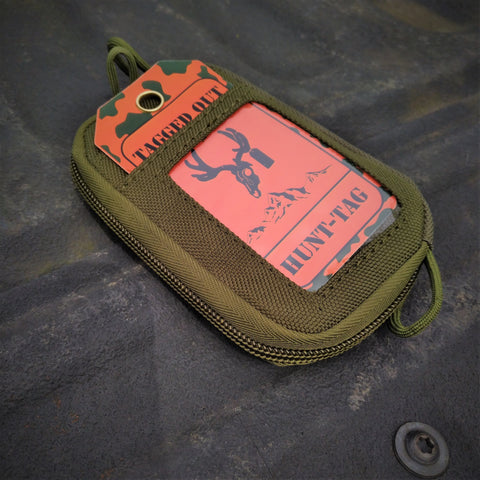
Organization is your best friend here. Keeping your tags and tools in a dedicated Tag Wallet or Tech Pouch ensures you don't have to guess when the pressure is on.
Frequently Asked Questions
What happens if I write the wrong date on my tag?
Don’t try to scratch it out or alter the tag. Contact your state's wildlife agency enforcement line immediately. They can often talk you through a correction, but honesty is the best policy.
Can I use my friend's tag if I already filled mine?
No. Tags are non-transferable. Using someone else’s tag is a serious violation known as party hunting in many states and can lead to heavy fines or the loss of hunting privileges.
What if I lose my tag in the woods?
Stop hunting. You can’t legally harvest or transport an animal without a valid tag in your possession. Contact your state agency for a replacement.
Does the tag stay on the meat or the antlers?
Regulations vary. Some states require the tag to stay with the largest portion of meat, while others require it on the antlers for transport. Check your local Carcass Transport rules.
How do I attach a paper tag so it doesn't blow off?
Don't rely solely on the sticky backing. Use a zip tie to secure it to the animal's ear or leg.
Hunt with Confidence Using Hunt-Tag Systems for Beginners
Getting comfortable with tagging is part of becoming a confident hunter. It may feel confusing at first, but with the right habits and a simple system, it becomes second nature.
When you know what to do and have everything ready, that moment after your first harvest feels clear instead of overwhelming.
Hunt-Tag is built to make that learning curve easier. By keeping your tags, tools, and backups organized in one place, you remove the guesswork and avoid the common mistakes that trip up new hunters.
Start simple. Keep your tag accessible. Carry the right tools. Follow the steps every time.
Our kits help first-time hunters stay organized, compliant, and ready when it matters most. Shop now.