Game Warden Hunt Tag Inspection: What You Must Know
Most hunters never think about game warden inspections until one happens. You're loading your harvest into the truck, tired and satisfied, when an officer pulls up and asks to see your tags. Suddenly, you're wondering if you did everything right.
Here's the tension many of us face: tagging requirements vary by state, and the shift to electronic tagging has added new layers of confusion.
Did you notch the right section? Did your e-tag submission go through? Is your confirmation number accessible without cell service?
That is exactly why Hunt-Tag exists: to help you keep your tagging details clear, protected, and ready to show when it counts.
These questions matter because a game warden's hunt tag inspection is the moment when compliance either holds up or falls apart.
Why Game Wardens Conduct Hunt Tag Inspections
Before we get into specifics, it helps to understand why these inspections occur in the first place.
Game wardens aren't looking to catch honest hunters on technicalities. Their primary job is wildlife conservation. They’re ensuring that harvest limits, season dates, and species protections are being followed. Tags serve as the paper trail (or digital trail) that proves you're hunting within the law.
When a warden inspects your tags, they're checking whether the animal you've harvested matches what you're legally allowed to take.
They're also looking for signs of poaching, over-harvesting, or improper tagging, all of which undermine wildlife management efforts.
Think of it this way: tags are your proof of compliance. Without them, or with incomplete information, you're essentially asking the officer to trust you. And while most wardens understand that hunters make honest mistakes, their job requires verification.
What Happens During a Game Warden Hunt Tag Inspection
Inspections usually happen in the field, at check stations, or sometimes at your vehicle after a hunt. The encounter tends to follow a predictable pattern, though the specific questions depend on the state and species.
The Initial Check: License and Tags Together
The first thing a warden will ask for is your hunting license. In most states, your tags are tied to that license, so they'll want to see both.
If you're hunting in a state that requires additional permits, like a deer management permit or a special antlerless tag, they'll ask for those too.
This is where organization matters. If your license is crammed in a pocket somewhere while your tag is attached to the animal and your e-tag confirmation is buried in your phone, you've already created friction. Wardens appreciate hunters who can produce documents quickly. It signals that you take compliance seriously.
In states that still use physical tags, officers will examine the tag itself. They're checking that it's properly attached to the animal, that the date and time are correctly notched or marked, and that the tag matches the species and sex of the harvest.
E-Tagging and Confirmation Numbers
More states are shifting to electronic tagging systems, which changes the inspection dynamic. Instead of examining a physical tag, the warden may ask you to show your e-tag confirmation on your phone. This is where a game warden's hunt tag inspection can get complicated.
Cell service is unreliable in many hunting areas. If your e-tag confirmation is stored only in an email that requires loading data, you may not be able to display it when asked. Some state apps allow offline access to confirmations, so check yours before you head out.
The smartest approach is to take a screenshot of your confirmation and save it. That way, you can display it without needing a signal. Even better, print a backup and keep it with your license.
The Details Wardens Actually Scrutinize
Let's get specific. Wardens are trained to look for inconsistencies and red flags. Here's what they're evaluating during an inspection.
Proper Tag Attachment and Placement
For physical tags, placement is non-negotiable. Most states require the tag to be attached to a specific part of the animal, often the ear, antler, or leg, before the animal is transported. A tag sitting loose in your pocket isn't a tagged animal.
Attachment method matters too. If your state requires a locking tag, a tag secured with a twist tie might not meet the legal standard. Check your state's regulations for specifics, because wardens will.
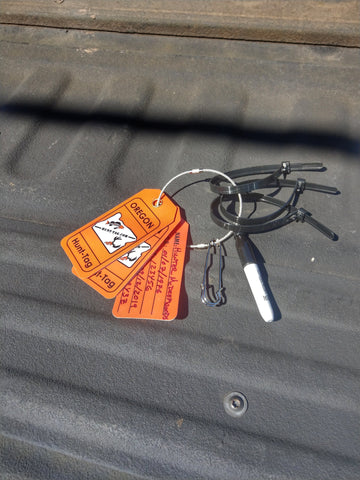
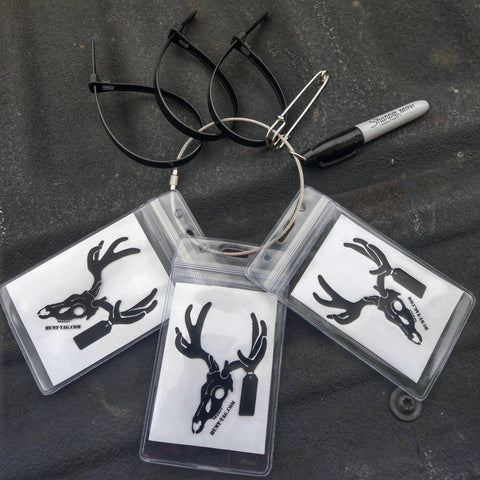
If you're using a Hunt-Tag kit as a backup or primary tagging method, make sure the tag is filled out completely and attached according to your state's requirements.
Species and Sex Verification
Wardens will visually inspect the harvested animal to confirm it matches the specifications allowed by your tag. If you have an antlered deer tag, they'll verify that the deer has antlers. If your tag is for a specific species like mule deer, they'll check that it's not a whitetail.
In areas where multiple species overlap or where sex-specific regulations apply, this matters a great deal. Misidentification is rarely an acceptable excuse. You're expected to know what you're shooting before you pull the trigger.
Harvest Date and Time
Wardens may ask when you harvested the animal and compare your answer to the timestamp on your e-tag or the date notched on your physical tag. Inconsistencies invite scrutiny.
If you harvested at 7 a.m. but didn't submit your e-tag until noon, be prepared to explain why. Legitimate reasons exist, such as your phone dying, no signal, or dealing with an emergency, but you'll need to provide a credible account.
Location and Zone Compliance
Your tag may only be valid in a specific zone, and harvesting an animal outside that zone can result in a violation even if you hold a valid tag.
Wardens can check GPS coordinates on e-tags or ask where the harvest occurred. If you're unfamiliar with zone boundaries, it's your responsibility to sort them out before the hunt.
How to Prepare for a Smooth Inspection
Preparation isn't about gaming the system. It's about respecting the process and making things easier for everyone, including yourself.
Before the hunt:
-
Verify your license and all relevant tags are valid and in your possession.
-
Understand your state's tagging requirements, including placement, timing, and documentation.
-
Download any required apps and test them while you still have cell service.
After the harvest:
-
Tag immediately, before moving or processing the animal.
-
Take a screenshot of any e-tag confirmation.
-
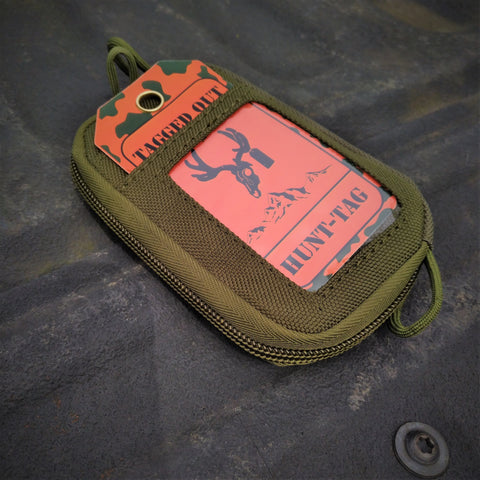
Keep license, tags, and confirmations together in a waterproof bag or case.
During an inspection:
-
Be courteous and cooperative. Wardens are doing their job.
-
Produce documents promptly and answer questions honestly.
-
If you made a genuine mistake, say so. Don't try to bluff.
FAQs About Game Warden Inspections
Can a game warden inspect my hunt tag without probable cause?
In most states, yes. Game wardens typically have broader authority than regular law enforcement when it comes to inspecting licenses, tags, and harvested game.
This authority exists because wildlife conservation enforcement requires the ability to verify compliance in the field. You don't need to have done anything wrong to be asked to show your tags.
What happens if my phone dies, and I can't show my e-tag confirmation?
Wardens understand that technology fails, but you're still responsible for proving compliance. This is why a screenshot saved offline or a printed copy is essential.
If you genuinely can’t produce documentation, the warden will likely record your information and follow up later. In some cases, you may still receive a citation that you'll need to contest by providing proof afterward.
Can I receive a citation for a tagging violation if I have a valid tag but attached it incorrectly?
Yes. Proper attachment is required by law in most states. A tag that's not attached correctly or not attached at all may be treated as if it had no tag. Regulations specify where and how tags must be placed, and officers enforce those details.
Making Compliance Second Nature
Hunt-Tag keeps the tagging process simple so hunters can enjoy the hunt's success without second-guessing themselves.
That confidence comes from knowing the rules, preparing tags and documentation ahead of time, and building smart habits into every hunt. When tagging becomes automatic, inspections fade into the background and feel routine instead of stressful.
Questions about tagging requirements come up, especially as states change rules and expand e-tagging. If something feels unclear or you want to share feedback about your experience with state regulations, contact us anytime.
Ready to prep your kit for the field? Shop now to grab Hunt-Tag tags, storage options, and other essentials built for real hunting conditions.