

What Happens If You Don't Tag Your Harvest? Hunting Violations Explained
TL;DR: A hunting tag violation penalty can result from a missing, damaged, unreadable, or poorly attached tag. Know your state's rules, protect your paper or e-tag confirmation, and use a reliable system like Hunt-Tag to keep everything readable and secure from the field to the freezer.
After months of planning, you finally make a clean shot. But before you can start the pack out, you realize your paper tag is soaked, damaged, or missing.
Suddenly, one small detail can create a much bigger problem. What happens if a game warden checks your harvest before you can fix it? Could a torn tag or unreadable ink lead to a hunting tag violation penalty, even if you followed the rules?
Fortunately, a little preparation goes a long way. By treating your tag as an essential part of your hunting gear, you can help protect the proof of your harvest in wet, muddy, or unpredictable conditions. That's where Hunt-Tag comes in. It helps keep your harvest information protected, attached, and readable, so you can focus on getting your animal home instead of worrying about your paperwork.
Why Tagging Requirements Exist
Tagging helps wildlife agencies understand how many animals hunters harvest each season. That information supports population management, season limits, and future tag allocations.
It also helps connect each harvest to a licensed hunter, which supports legal and ethical hunting practices.
In many states, you must complete and attach your tag soon after the harvest. Depending on the rules, the tag may need to stay with the animal, meat, antlers, or hide until processing is complete or the harvest reaches its final destination. This gives wildlife officers a clear way to verify that the harvest was legal.
Problems can come up when a tag is missing, damaged, unreadable, or separated from the harvest. In those situations, an officer may have a harder time confirming what happened.
That’s why protecting your tag and following your state’s requirements matters from the moment the animal is down.
Common Tagging Violations
Knowing what can count as a tagging violation can help you avoid problems in the field. Some of the most common issues include:
- Waiting too long to tag your harvest: In many states, you need to tag the animal before moving it. Waiting until you reach camp or your vehicle may create a problem.
- Unreadable or incomplete tags: If your tag gets wet, torn, smeared, or is missing required details, it may not be accepted as valid.
- Tags that become separated from the harvest: A tag can fall off during field dressing, dragging, or transport. In many cases, it needs to stay attached to the animal or the required parts.
- Using someone else’s tag: You should only use your own valid license or permit for your harvest.
- Attaching the tag incorrectly: Some states have specific rules about where and how your tag must be attached.
- Moving an untagged game: Transporting an animal before it’s properly tagged can lead to a violation, even if you are only moving it a short distance.
Hunting Tag Violation Penalty by Severity
A hunting tag violation penalty can vary by state, species, and the seriousness of the violation. Whether the mistake appears accidental or intentional can also affect the outcome.
Minor violations often involve first-time mistakes with no sign that you were trying to break the rules. These may lead to a warning or a smaller fine. In many cases, the animal isn’t confiscated if the rest of the hunt was legal.
Moderate violations may involve a missing, unreadable, or improperly attached tag. Depending on the state, you could face a larger fine or a temporary loss of hunting privileges.
Serious violations usually involve additional problems, such as exceeding bag limits, hunting without a valid license, or transporting game without proper tagging. These cases can lead to much more serious legal consequences.
Some states also take part in the Interstate Wildlife Violator Compact. This means a hunting violation in one member state may affect your hunting privileges in other participating states as well.
Because penalties differ so much by location and situation, always check your state wildlife agency's current regulations before your hunt.
What Game Wardens Look For
During a routine check, a game warden may look at several parts of your tagging setup, including:
- Your hunting license, permit, and tag
- Whether the tag is attached correctly
- Whether the required information is complete and easy to read
- Whether the harvest date and location match your permit
- Whether there are signs that the tag was changed or switched
Checks can happen at roadside stops, check stations, processors, or taxidermists. If your tag is missing, damaged, or unreadable, you may be asked to explain what happened.
That’s why preparation matters. A secure, readable tag makes it much easier to show that your harvest was handled correctly.
How Tagging Problems Happen
Most tagging problems aren’t intentional. They usually happen because conditions change quickly or the tagging step gets rushed. Here are some of the most common ways tagging problems happen in the field:
- Weather damage: Rain, snow, and humidity can quickly damage paper tags. A tag that was easy to read earlier in the day may become wet, smeared, or unreadable by the time you reach your vehicle.
- Field dressing accidents: Blood, water, and repeated handling can damage a tag or cause it to come loose while you’re working on the animal.
- Transport issues: Dragging an animal through brush, loading it into a truck, or packing it out over rough terrain can cause a tag to tear, fall off, or become separated from the harvest.
- Processing handoffs: Your tag may need to stay with the meat or other harvested parts when you drop them off. If it gets separated during the handoff, it can create problems later.
- Rushing after the shot: After a successful hunt, it’s easy to focus on field dressing, packing out, and getting back before dark. That’s also when small tagging mistakes can happen.
Protecting Yourself Before the Hunt
The best way to avoid a hunting tag violation penalty is to prepare before you leave home.
Check your state’s requirements. Tagging rules can vary by state and sometimes by species. Before opening day, make sure you know when to tag your harvest, where to place the tag, and what information to include.
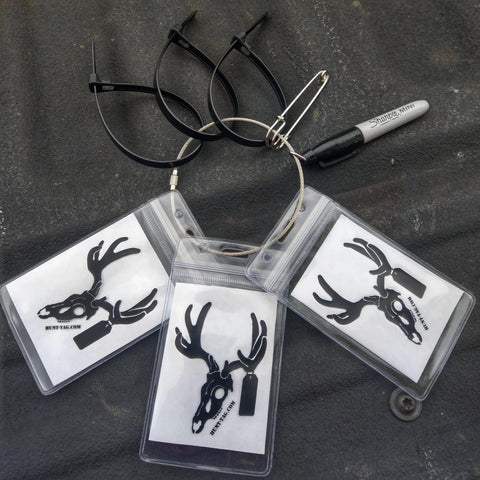
Use a quality tag holder. Choosing a durable hunting tag holder can help protect paper tags from rain, blood, and rough handling. Look for weather-resistant materials and a secure way to keep the tag attached.
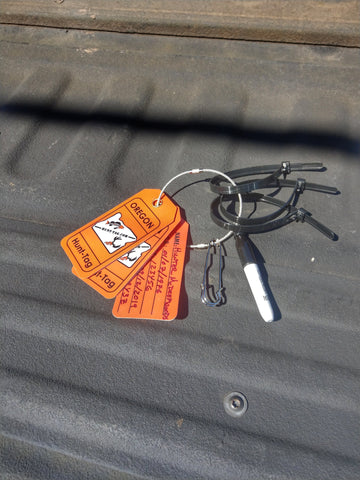
Prepare your tagging kit. Pack the tools you may need, including a reliable pen, backup attachment materials, and a protective sleeve or pouch. The Paper Tag Kit is designed for hunters in states that still use paper tags.
Practice the process. Know how and where you’ll attach your tag before you’re standing over a downed animal with daylight fading. A little practice can make the process faster and easier in the field.
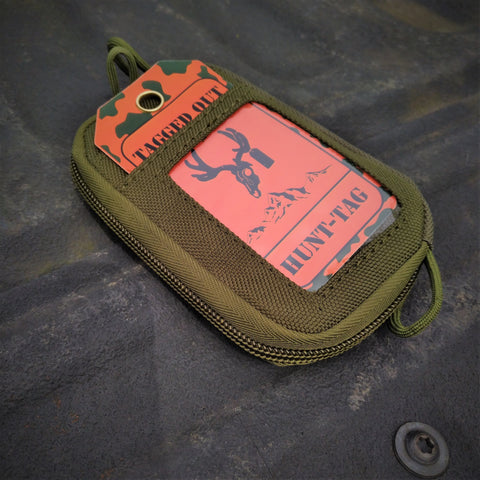
Plan for e-tagging. If your state uses electronic tagging, make sure you understand what happens after you validate your harvest. You may still need to carry or attach printed information. The Tagged Out Generic Tag Kit can help protect that documentation and keep it easily accessible.
Protect the Final Step of Your Hunt with Hunt-Tag
You already did the hard part. You planned the hunt, earned the tag, made the shot, and got the animal down. Don’t let a soaked tag, weak attachment, or missing confirmation turn that success into a preventable problem.
Hunt-Tag gives you a simple system to protect the proof of your harvest. From Paper Tag Kits to Tagged Out Generic Tag Kits, the right setup helps keep your information readable, attached, and ready when it needs to be checked.
You already invest serious time and money into every hunt. Your tagging system shouldn’t be the weak link.
Before your next season, review your state requirements, organize your gear, and choose a setup built for the moment after the shot.
Shop Hunt-Tag Kits and protect your harvest from the field to the final handoff.
Frequently Asked Questions
Can I be fined if my tag falls off by accident?
Possibly. In many states, you’re responsible for keeping your tag attached and readable through transport and processing. If it falls off, you may need to explain what happened. Using a secure tag holder can help lower that risk.
Do e-tag states still require physical documentation?
Sometimes. Some states let you validate your harvest through an app or website, but still require you to carry or attach printed or written confirmation details. Because the rules vary, always check your state’s current requirements before your hunt.
What happens if a processor loses my tag?
You could still run into questions later. Before you leave your meat with a processor, it’s smart to document that your tag was attached correctly. A quick photo can help. If anything goes wrong, contact your state wildlife agency for guidance.
How long do I need to keep my tag attached?
That depends on your state. In many cases, the tag must remain with the animal or its meat until processing is complete or until the meat reaches its final destination. Antlers, hides, and taxidermy items may have separate rules, so check your state’s regulations before the hunt.
Check your state’s tagging rules, then make sure your gear is ready before opening day. Shop Hunt-Tag Kits to keep your harvest information protected, readable, and secure when it matters most.