

Hunting Tag Holder Reviews: Real Stories from the Field
TL;DR: A successful hunt can quickly turn into a legal headache if your paperwork isn't protected.
These hunting tag holder reviews show how real hunters use simple, weatherproof systems to stay compliant and avoid fines after the shot.
Customer Stories: How Hunt-Tag Prevented Costly Mistakes
The elk was down. After three days of glassing, hiking, and second-guessing every decision, the arrow had flown true. Now came the part nobody prepares you for.
The light was fading fast. Snow had started falling an hour ago, and the temperature was dropping. You need to validate the harvest, fill out the tag, attach it properly, and start the pack-out before dark.
Your hands are cold. Your phone battery is at 8%. And the paper tag you printed at home is already damp from sitting in your pack.
This is the moment that can turn an incredible hunt into a stressful one. Not because of the shot or the stalk, but because the small details after the harvest suddenly matter a lot.
At Hunt-Tag, we’ve heard countless stories from hunters who did almost everything right, only to run into problems with wet tags, dead batteries, missing paperwork, or poor organization after the animal was down.
This article is built around real scenarios and honest hunting tag holder reviews from people who learned that protecting your tag isn’t optional.
The Mistake Most Hunters Don't See Coming
You can do everything right and still run into trouble after the harvest. That isn't a scare tactic. It's the reality of what happens when weather, fatigue, and logistics collide.
State wildlife agencies require you to tag your harvest immediately. Depending on where you're at, that might mean a physical paper tag, an electronic validation, or both.
The problem is that most hunters prepare for the shot but forget about what comes next. Think about the time you spend zeroing your rifle. Now think about how much time you spend thinking about how you'll keep that tag attached in a blizzard.
If you're like most of us, the answer is zero. These hunting tag holder reviews show why that has to change.
Hunting Tag Holder Reviews That Tell the Real Story
We've heard from hunters who lost meat because their tag became unreadable. We've talked to first-timers who didn't realize they needed to keep info attached to antlers after the carcass was processed.
These aren't dramatic gear failures. They're small, quiet problems that add up.
Here’s what actual hunters are saying about staying legal.
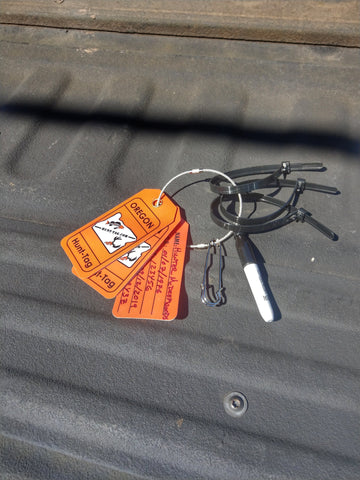
Connor Childers on the Oregon E-Tag Kit
Long-time customer Connor Childers comments, "The Oregon E-tag kit simplifies filling everything out, and the clear tape is awesome, so none of your writing smears off. It's an all-in-one, easy-to-store kit. Highly recommended."
Connor's situation is one we hear about constantly. Many states have moved to e-tagging. You can validate in an app, but ODFW regulations require you to physically attach harvest info to the animal.
His point about the clear tape is huge. Regular ink smears. Once that happens, you're in a tough spot if a warden asks for your confirmation number.
The Oregon Hunt-Tag System E-Tag Kit was built specifically to address this. It gives you a weatherproof way to record and attach the required details after you validate your e-tag.
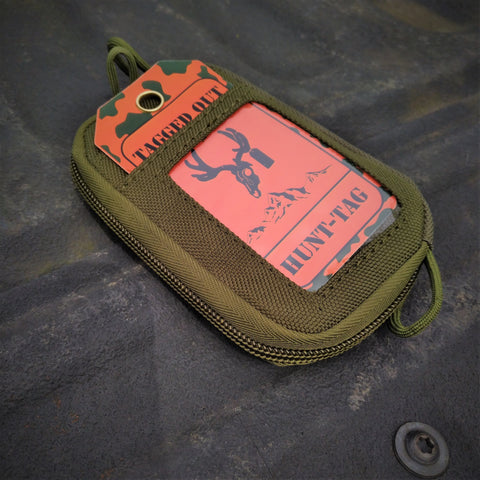
Torrey on the Hunt-Tag Wallet
Torrey, another Hunt-Tag customer, shares, "The Hunt-Tag wallet is very organized and of good quality. Bought for my son. Keeps you organized and having that peace of mind that everything is filled out to keep you legal when you have an animal down."
A young hunter who has just made their first successful harvest is running on adrenaline. Expecting them to calmly locate their tag, fill out every required field, and attach it correctly under pressure is asking a lot.
The Hunt-Tag Wallet keeps everything in one place, so you don't have to dig through pockets as daylight fades.
Torrey's comment about "peace of mind" is exactly right. When you know everything is organized and ready, you can focus on the moment instead of worrying about what you might have forgotten.
David DeFillipo on His First Black Bear
For David DeFillipo, our tags were worth it. He says, "I just used my first Hunt-Tag on my very first Black Bear. It made filling out the information super simple and tagging the bear so easy! It is definitely a product I recommend!”
David's story matters because first harvests are high-pressure situations. You’ve never done this before. You’re not sure what goes where. The animal is bigger and heavier than you expected, and now you need to process it correctly while complying with all state regulations.
For a first black bear, the stakes are especially high. You need to get it cooled quickly. And in many states, you’re required to keep the hide and skull intact until a game warden checks the animal.
Having a simple, reliable system for attaching harvest information removes one variable from the equation. David didn’t have to improvise or guess. He had what he needed.
What Can Go Wrong After a Successful Hunt
Let's look at the specific problems that catch hunters off guard:
-
Wet or Torn Paper Tags: This is the big one. Paper tags aren't built for the backcountry. Rain, blood, and sweat will destroy them. If it's unreadable, it's a compliance issue.
-
E-Tag Confusion: Don't assume the app is the only step. You often need to write down and physically secure a confirmation number on the carcass.
-
Separation During Transport: Once you quarter an animal, pieces go everywhere. If the tag is only on the antlers, the meat in your cooler is unidentified. That's a massive risk at check stations or on the road.
-
The Rushed Field Process: When you're cold and tired, you skip steps. A simple system with clear prompts reduces the chance of error.
-
Not knowing what to carry: First-time hunters, or hunters trying a new state, often don’t realize what they need until they need it. By then, it’s too late.
The Question Worth Asking Before You Leave Home
Before you head out, ask yourself this: "What simple mistake could cost me after a successful hunt, and how can I avoid it now?"
Most hunters focus on the scouting and the shooting. But the post-harvest process deserves that same focus.
If your confirmation number washes off in the snow, you've got a problem. The fix is simple. Carry a system that protects your info from the moment you notch that tag until the meat is in your freezer.
Trust the Hunting Tag Holder Reviews and Protect Your Harvest
Success doesn’t end with the shot. Your responsibility continues through pack out, transport, and processing.
That’s why Hunt-Tag is more than just another piece of gear. It’s a simple system designed to protect one of the biggest moments of your season.
After putting in all that work, the last thing you want is a wet tag, a dead phone, or missing paperwork that creates problems after the harvest. With the right setup, you can stay organized, protected, and ready when it matters most.
Explore the full lineup of Hunt-Tag Kits and Accessories today. And if you have questions about what works best for your state's regulations or hunting style, reach out to the Hunt-Tag team. We’re always happy to help you build a system that works in real field conditions.
Common Questions About Tagging Protection
I use an e-tag system. Do I still need a physical tag holder?
In most states, yes. You're required to attach written harvest info to the carcass even after validating on your phone. You need a weatherproof way to display that info.
What happens if a game warden can't read my tag?
If your tag is damaged or smeared, you could face fines or have your harvest confiscated. Protecting your tag isn't just about being neat; it's about staying legal.
Is this only for big game?
Nope. Any species that requires tagging, from turkey to waterfowl, can benefit from a secure, dry attachment system.
How do I attach tags to meat being transported separately?
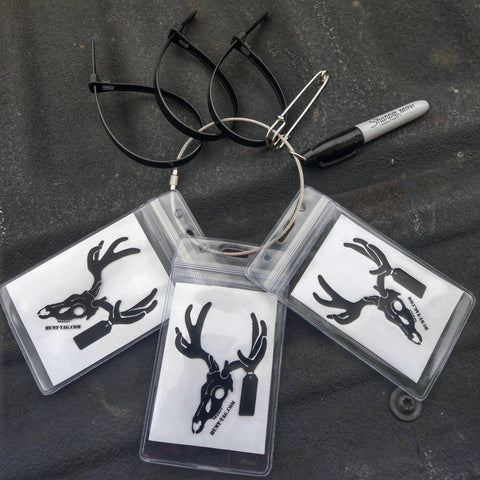
Use a kit with multiple attachment points. This allows you to keep identifying info with the antlers, the hide, and the meat bags as they move from the field to the processor.