

6 Summer Deer Scouting Tips for a Shot-Ready Opening Day
TL;DR: Summer deer-scouting tips help you build a stronger opening-day plan by tracking fresh sign, trail-camera activity, food sources, bedding areas, wind direction, and access routes. The goal is to turn summer patterns into a practical hunt plan with backup options in case conditions change. Hunt-Tag helps keep your tagging gear organized, protected, and ready when your scouting finally pays off.
You’ve seen the buck on camera more than once. Same area. Same general time. Everything seems to be lining up for opening day.
But a lot can change between now and the start of the season. Deer patterns shift, conditions change, and what looks promising in July may feel very different a few weeks later.
That’s where the right deer scouting tips for summer can help. In this guide, we’ll look at how summer scouting can shape your season, what to keep in mind before opening day, and how Hunt-Tag helps you stay prepared all the way through the final tag.
Why Summer Scouting Shapes Your Entire Season
Summer gives you a clear look at how deer are moving before hunting pressure changes their behavior. Bucks may still be traveling in groups, the does often follow steady routines, and food sources are easier to track.
That makes July and August valuable times to learn how deer use the area. The more you understand before the season starts, the less guessing you have to do on opening day.
What you learn during summer can shape the choices you make later in the season, from where you hunt to how you adjust when conditions change.
6 Deer Scouting Tips for Summer
A successful season rarely happens by accident. The work you put in during the summer often shapes what happens on opening day.
These deer scouting tips for summer can help you understand how deer use an area, recognize key patterns, and head into the season with a stronger plan.
1. Start With Sign: Tracks, Trails, and Rubs
Before you check trail cameras or mapping apps, spend some time looking at the ground. Fresh tracks near food sources can show which deer are using the area.
Well-used trails between bedding and feeding areas reveal regular travel routes. While less common in summer, early rubs and scrapes may also show where bucks are beginning to establish territory.
Walk field edges early in the morning or during the last hour of daylight. Look for trails leading into and out of cover, and pay attention to the size and number of tracks you find. Sometimes one large buck track tells you more than dozens of trail camera photos.
As you scout, keep track of what you find. A notebook or phone app works well for recording dates, locations, and conditions. Over time, those notes can help you spot patterns that are easy to miss during a single visit.
2. Use Trail Cameras to Confirm Patterns
Trail cameras can help you confirm what you’re already seeing in the field. Place them along active trails, near water sources, or at field edges where you have found fresh sign.
Try to check your cameras during midday, when deer are less active, and avoid visiting too often. Frequent human activity can change deer behavior, even during summer.
When you review your photos, look for patterns:
- What time are deer moving through the area?
- Are you seeing the same bucks again and again?
- Are does and fawns using the same trails as mature bucks?
The goal is to find consistent movement, especially during legal shooting hours. A buck that only appears in the middle of the night may be interesting, but you still need to understand how and when he moves before you can build a plan around him.
3. Map the Terrain: Food, Bedding, Water, and Funnels
Once you have signs and trail camera activity to work with, add what you know to a map.
Apps like onX or HuntStand can help you mark locations, measure distances, and study terrain before you head back into the field.
Look for:
- Food sources: Crop fields, oak ridges, food plots, and browse areas. Pay attention to what’s available now and what may still be around when your season starts.
- Bedding areas: Thick cover, slopes, and overgrown areas where deer may feel safe during the day.
- Water sources: Creeks, ponds, and seeps can be especially important during hot early-season weather.
- Funnels and pinch points: Fences, creek crossings, narrow strips of cover, and terrain features can help guide deer movement through an area.
4. Plan Your Access Routes and Wind Strategy
A strong stand location will not help much if deer notice you getting there. Summer is a good time to test your access routes and think through how the wind will affect each setup.
Ask yourself:
- Can you reach the stand without crossing active deer trails?
- What wind direction works best for this location?
- Where will your scent travel as you walk in and sit?
Try to plan your access before you choose your final stand location. A good route can help you stay out of sight, avoid leaving scent where deer travel, and reduce pressure on the area.
Wind matters too. If one setup only works with a certain wind direction, have a backup ready. Summer scouting gives you time to build those options before opening day.
5. Turn Your Observations Into a Simple Hunt Plan
By late summer, you should have enough information to build a basic plan. It doesn’t need to be complicated. You just need clear answers to a few key questions:
- Where will you hunt? Choose your main stand or blind based on sign, camera activity, and terrain.
- How will you get there? Pick an access route that avoids deer travel and limits the scent you leave behind.
- What wind do you need? Know which wind direction works best for your setup.
- What is your backup plan? Have another location ready in case conditions change or your main spot gets too much pressure.
- What happens after the shot? Think through recovery, field dressing, and tagging before you need to do any of it.
That last step is easy to overlook. You may have scouted the area, mapped the terrain, and chosen the right stand, but your plan should also cover what happens once the animal is down.
6. Add Post-Harvest Tagging to Your Pre-Season Checklist
A solid hunt plan should cover more than the shot. You also need to think about what happens after the animal is down.
Tagging rules vary by state. Some states still use paper tags, while others use electronic systems. Either way, your harvest information needs to stay protected, attached, and easy to read in real field conditions.
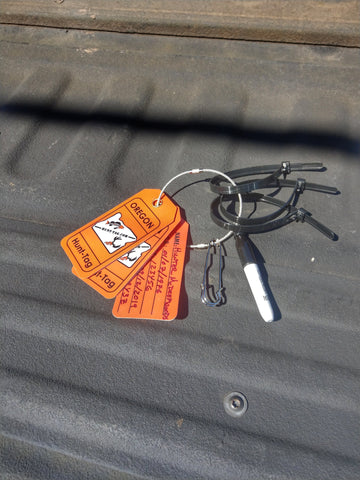
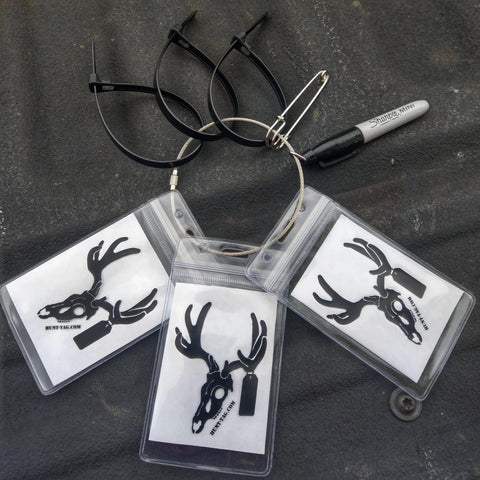
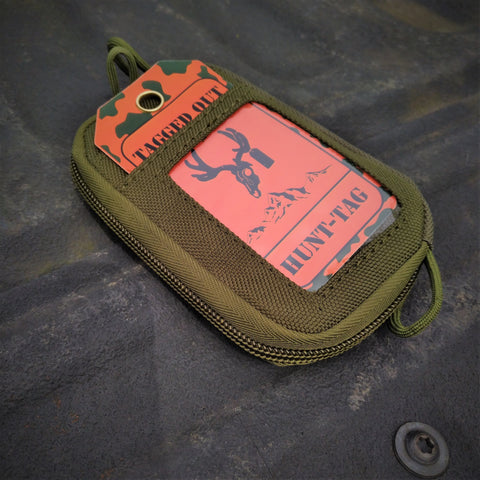
That’s where Hunt-Tag fits into your pre-season prep. Before opening day, choose a tagging kit that matches your state’s requirements. If you use paper tags, the Paper Tag Kit helps keep them protected and secure. If your state uses e-tags, a state-specific kit can help you keep the required harvest information organized and ready for transport.
Finish Your Hunt Plan Before Opening Day
All that summer scouting has one goal: putting you in the right place when the opportunity finally comes. You’ve studied the signs, watched the cameras, planned your access, checked the wind, and built your strategy.
Don’t let your preparation stop at the shot. Once that buck is down, your tagging system needs to be ready, too.
Hunt-Tag helps you prepare for that final step with tagging gear built to keep your harvest information protected, organized, and secure in real field conditions.
You’re already putting in the work this summer. Finish the plan now, so when your scouting pays off, you are ready for everything that comes next.
Shop Hunt-Tag Kits before opening day and take one more thing off your post-harvest checklist.
Frequently Asked Questions
How often should I check trail cameras during summer scouting?
Checking your cameras every two to three weeks is usually enough. Try to visit during midday, when deer are less active, and keep your time near the camera short. Frequent visits can leave more scent and may change deer behavior.
What if the food sources I scouted change before the season starts?
Food sources can change quickly. Crops get harvested, acorns start dropping, and food plots mature. Check your scouting areas again before opening day to see if deer are still using the same spots. It also helps to have a backup location in mind.
Should I hang stands during the summer or wait until closer to the season?
You can hang stands during the summer if you can do it without creating too much disturbance. This gives deer time to get used to the setup. Keep trimming to a minimum, stay quiet, and pay attention to the wind. On public land, some hunters wait until closer to the season to reduce the risk of theft or damage.
How do I scout public land if I can’t use trail cameras?
Focus on what you can see and read in the field. Watch field edges at dawn and dusk, look for fresh sign, and study satellite maps for water, funnels, and terrain features. Public land may take more effort, but the same basic scouting principles still apply.
Ready to turn your summer scouting into a complete hunt plan? Shop Hunt-Tag Kits and make sure your tagging setup is ready before opening day.